












SubCo Spazio Suites Lantai 1 Unit 525A
Jl. Mayjen Yono Soewoyo Kav 3, Kelurahan Pradah Kalideres
Kecamatan Dukuh Pakis, Surabaya 60226


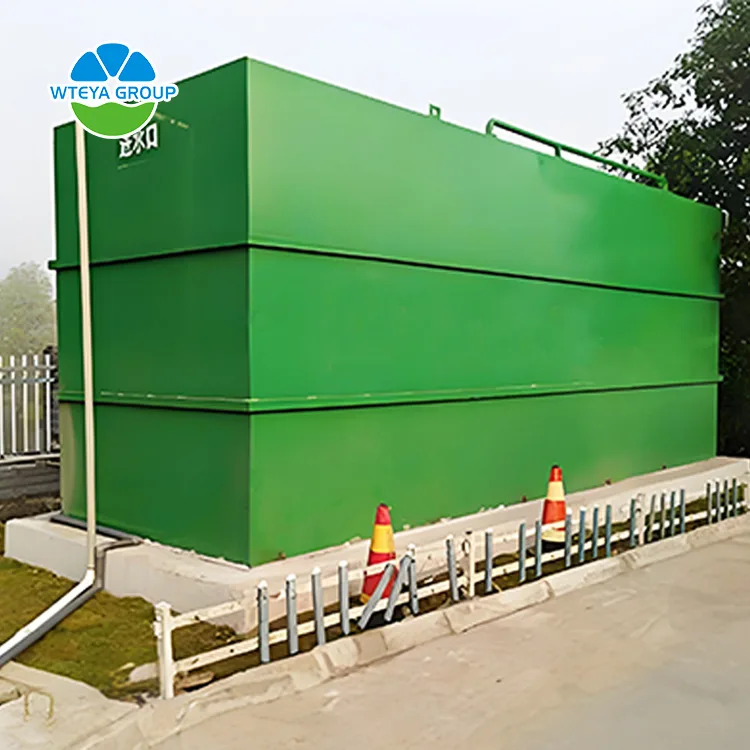
Sewage treatment systems are indispensable environmental protection facilities in urban and industrial areas and are specifically designed to purify wastewater, both domestic and industrial.
These systems consist of multiple treatment stages, such as primary clarification, biodegradation and disinfection, which effectively remove suspended solids, organic matter and microorganisms from the water.
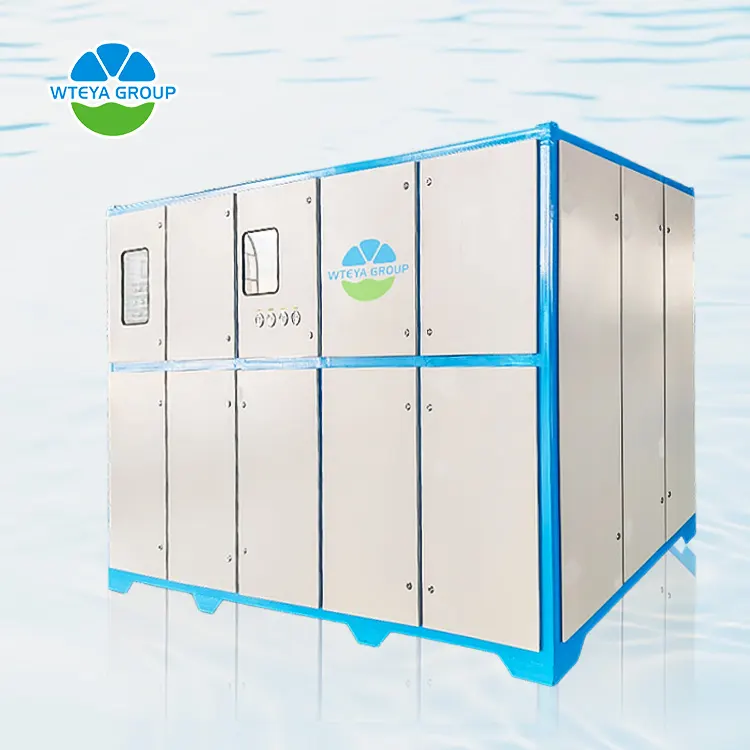
The system features high processing efficiency, easy operation and maintenance, and can be customized according to the needs of different scales.
Through the use of advanced automated control technology, these systems ensure reliable handling performance and effluent quality that meets environmental standards.
WTEYA provides professional sewage treatment plant equipment, one-stop service, we not only have standardized products for sewage treatment devices, but also provide OEM and ODM customized services, we are looking for partners, agents in countries around the world.
Introduction to sewage treatment plant (STP)
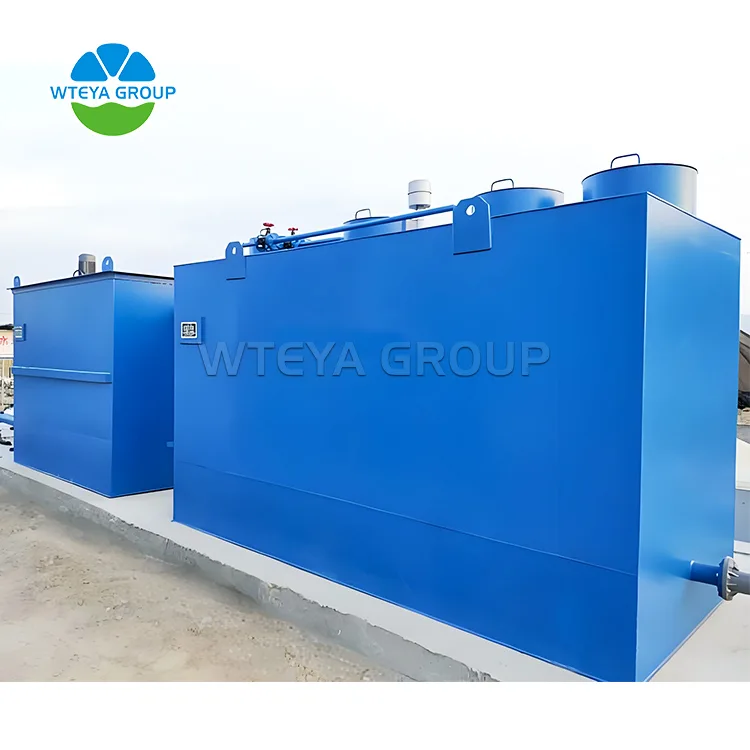
The sewage treatment plant (STP) is a comprehensive water treatment device, which integrates the functions of anoxic tank, anaerobic tank, aerobic tank, sedimentation tank, sludge tank and disinfection tank. This system is tailored for residential communities, small and medium-sized enterprises or rural areas to efficiently clean domestic wastewater. It covers key steps such as pre-treatment, biological treatment, sedimentation and disinfection to effectively remove suspended solids, organic matter and pathogens in sewage and ensure that the water quality after treatment meets environmental requirements.
Sewage treatment plant (STP) composition
The sewage treatment plant (STP) consists of a variety of different components and units, including the grid conditioning cell unit, the A2O unit, the BAF unit and the UV disinfection unit. These units are responsible for initial filtration, water balancing, multi-stage biochemical treatment and final disinfection. In addition, the system may contain equipment such as air floats, centrifuges, aerators, as well as various reactors and dosing systems, which work together to achieve a complete purification of the wastewater.
Characteristics of sewage treatment plant (STP)
Features of sewage treatment plant (STP) include:
1. Small size, adapt to different water quality environment, strong load impact resistance, maintain stable effluent quality, avoid sludge swelling problem.
2. Use new materials to enhance the treatment efficiency of microorganisms, improve the solubility of oxygen in water, and optimize the treatment effect of organic pollutants.
3. Equipped with automatic control system and fault alarm mechanism to ensure safe operation and simple maintenance of equipment, reducing manpower requirements.
4. The structure design is flexible, and the ground installation or underground layout can be selected according to the actual situation. The buried type helps to save space and greening.
In summary, sewage treatment plant (STP) is an indispensable environmental protection facility in the process of modern urbanization, which not only ensures the effective use of water resources, but also helps to maintain ecological balance and environmental health.
=============================================================================
Sistem pengolahan limbah adalah fasilitas perlindungan lingkungan yang sangat diperlukan di kawasan perkotaan dan industri, yang dirancang khusus untuk memurnikan air limbah, baik domestik maupun industri.
Sistem ini terdiri dari beberapa tahap pengolahan, seperti klarifikasi primer (primary clarification), biodegradasi, dan disinfeksi, yang secara efektif menghilangkan padatan tersuspensi, bahan organik, dan mikroorganisme dari dalam air.
Sistem ini memiliki fitur efisiensi pengolahan yang tinggi, pengoperasian dan pemeliharaan yang mudah, serta dapat disesuaikan (dikustomisasi) menurut kebutuhan skala yang berbeda.
Melalui penggunaan teknologi kontrol otomatis yang canggih, sistem ini memastikan kinerja penanganan yang andal dan kualitas efluen (air keluaran) yang memenuhi standar lingkungan.
WTEYA menyediakan peralatan instalasi pengolahan air limbah profesional dengan layanan satu atap (one-stop service). Kami tidak hanya memiliki produk standar untuk perangkat pengolahan limbah, tetapi juga menyediakan layanan kustomisasi OEM dan ODM. Kami mencari mitra dan agen di berbagai negara di seluruh dunia.
Instalasi Pengolahan Air Limbah (IPAL) atau Sewage Treatment Plant (STP) adalah perangkat pengolahan air komprehensif yang mengintegrasikan fungsi tangki anoksik, tangki anaerobik, tangki aerobik, tangki sedimentasi, tangki lumpur, dan tangki disinfeksi.
Sistem ini dirancang khusus untuk komunitas perumahan, usaha kecil dan menengah (UKM), atau daerah pedesaan untuk membersihkan air limbah domestik secara efisien. Sistem ini mencakup langkah-langkah kunci seperti pra-pengolahan, pengolahan biologis, sedimentasi, dan disinfeksi untuk secara efektif menghilangkan padatan tersuspensi, bahan organik, dan patogen dalam limbah, serta memastikan kualitas air setelah pengolahan memenuhi persyaratan lingkungan.
IPAL terdiri dari berbagai komponen dan unit yang berbeda, termasuk unit tangki kisi & pengatur (grid conditioning cell), unit A2O, unit BAF, dan unit disinfeksi UV.
Unit-unit ini bertanggung jawab atas penyaringan awal, penyeimbangan air (water balancing), pengolahan biokimia bertahap, dan disinfeksi akhir. Selain itu, sistem dapat berisi peralatan seperti mesin pengapungan udara (air floats), sentrifugal, aerator, serta berbagai reaktor dan sistem penakar kimia (dosing systems), yang bekerja sama untuk mencapai pemurnian air limbah yang lengkap.
Fitur-fitur dari IPAL antara lain:
Ukuran kecil: Beradaptasi dengan lingkungan kualitas air yang berbeda, ketahanan yang kuat terhadap beban kejut (shock loads), menjaga kualitas efluen tetap stabil, dan menghindari masalah pembengkakan lumpur (sludge swelling).
Material baru: Menggunakan material baru untuk meningkatkan efisiensi pengolahan mikroorganisme, meningkatkan kelarutan oksigen dalam air, dan mengoptimalkan efek pengolahan polutan organik.
Otomatisasi: Dilengkapi dengan sistem kontrol otomatis dan mekanisme alarm kesalahan untuk memastikan operasi yang aman dan pemeliharaan peralatan yang sederhana, sehingga mengurangi kebutuhan tenaga kerja.
Desain fleksibel: Desain struktur yang fleksibel memungkinkan pemilihan instalasi di atas tanah atau tata letak di bawah tanah sesuai dengan situasi aktual. Tipe tertanam (bawah tanah) membantu menghemat ruang dan mendukung penghijauan.
Singkatnya, Instalasi Pengolahan Air Limbah (IPAL/STP) merupakan fasilitas perlindungan lingkungan yang sangat diperlukan dalam proses urbanisasi modern. Fasilitas ini tidak hanya memastikan penggunaan sumber daya air yang efektif, tetapi juga membantu menjaga keseimbangan ekologis dan kesehatan lingkungan.